Retail companies – whether they're rapidly undergoing digital transformation, or retrenching and restabilizing their business around cost-cutting measures, or somewhere in between while they search for their path forward – are unified by at least one thing: the need to refresh their networks, more secure, better performance, easy manage, un-hackable
On the forward edge of the digital transformation wave, they're seeking networks that can serve the needs of cutting edge retail models, applications, and services: for example, having pop-up locations, or creating virtual fitting rooms in a clothing shop, or virtual furniture placement for a home furnishings store.
On the trailing edge, they're seeking ways to reduce both the capital and operating costs of their networks: for example, shifting small stores to broadband-only connectivity to reduce overhead.
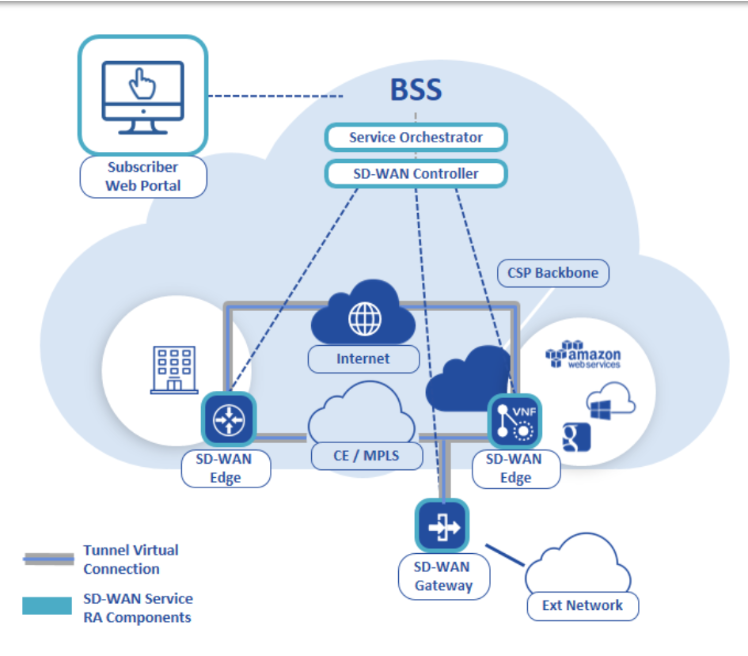
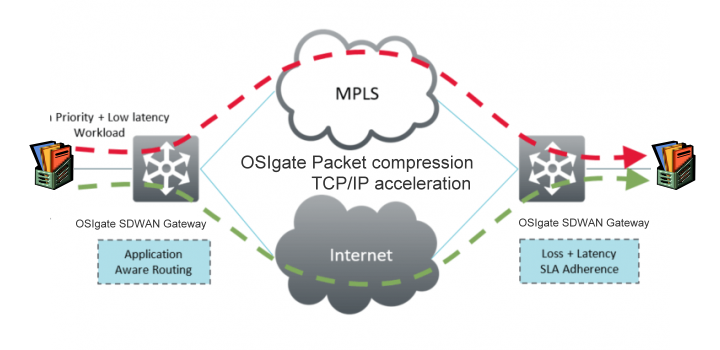
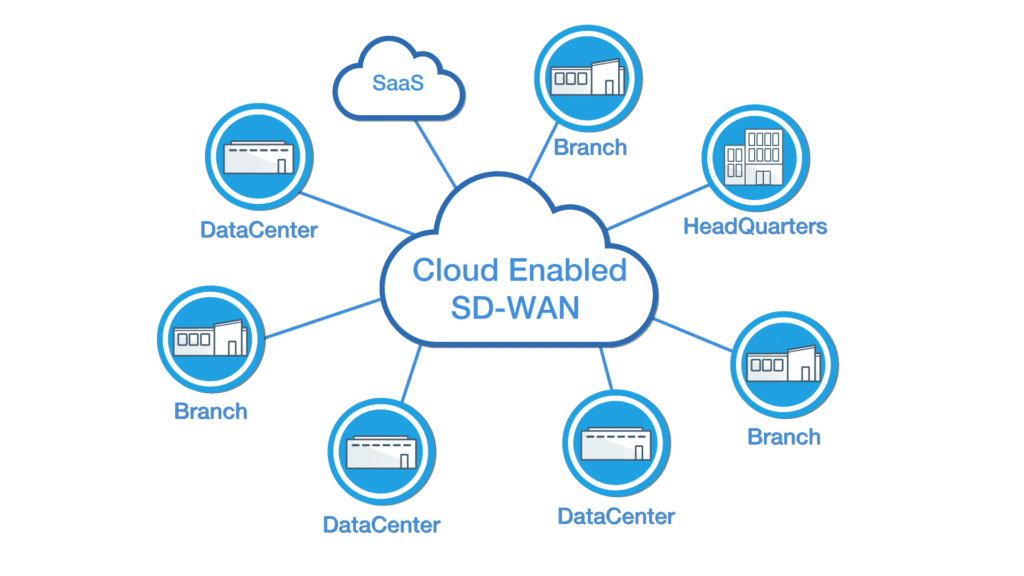
Software-defined WAN (SD-WAN),software-defined networking (SDN), and network functions virtualizations (NFV) will make the WAN what retailers need it to be for the future: secure, flexible, responsive, efficient, and agile.
Cutting-edge retail
From virtual fitting rooms for “trying on” mass-customized clothing to be finished while the customer waits, to the ability to virtually place a new piece of furniture in an image of the customer’s living room, myriad new retail services will depend on some form of Augmented Reality (AR).
Delivering responsive, smooth, engaging AR requires both sufficient capacity on the WAN and the ability to manage traffic so as to protect the AR traffic from jitter and packet loss.
Retail revamped: the consultative sale
Other retailers, like high-end audio or video stores or hardware stores, may need to supplement on-site staff with “video experts.”
Instead of having to try to have all sorts of specialist knowledge right in the store, staff on-premises can reach out to expert centers so customers can do face-to-face consultation with real experts. Advice on fitting AV gear to the room it will be in, or on how to rewire a ground-fault outlet can be a video chat away – as long as the WAN can deliver the video and audio with clarity, consistency, and quality.
Retail revamped: pop-up stores
A retailer may want to reinvent their business model, focusing on getting physically closer to potential customers by adopting a flexible and dynamic store siting strategy. With the goal of opening many more locations than in the past, they want most to be far smaller than under their old model, with some to be mobile, and some to be seasonal or otherwise temporary (e.g. centered on an event like a concert or holiday).
To support this, they’ll need WANs that can add and move locations with low lead times, easily, quickly, and without disruptions.
Retail for less
Reducing overhead is always a goal, but as resources need to be freed up to pursue new and transformative business initiatives, it becomes even more critical and urgent. Specifically, retailers want to stop spending on unneeded capacity and functionality that they get because they might need it three years from now, or “just in case.” They want to stop having their WAN choices dictated by the whims of specialty hardware vendors with respect to the capacity and feature set available in a location.
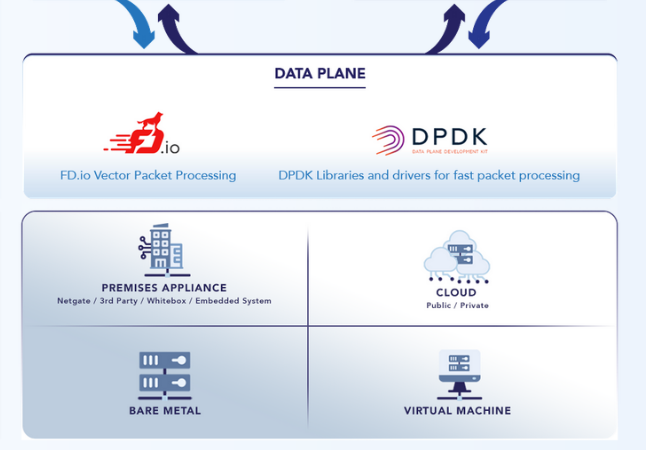
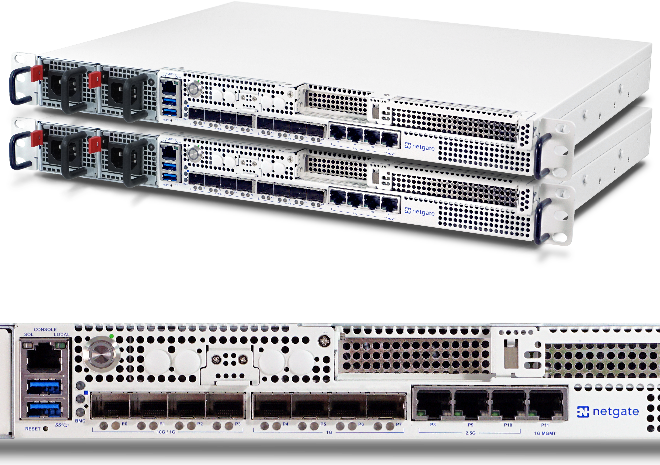
To wring every last bit of unnecessary overhead from a location, and from operation of the WAN overall, retailers need a WAN that can leverage SDN and NFV to run on generic hardware, and embrace flexible, just-in-time deployment of capacity and functionality.
(by AT&T)





.png)